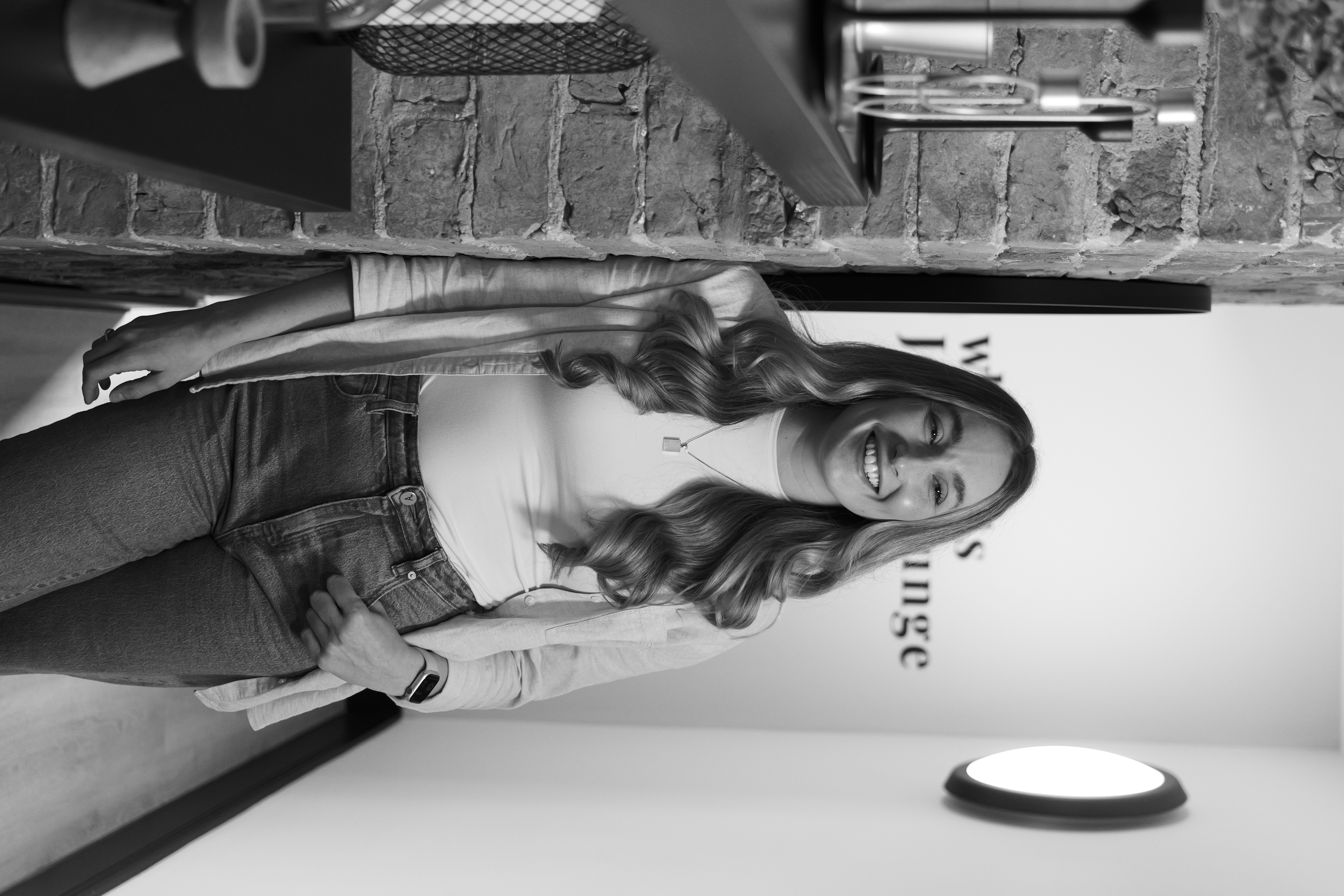
About Olivia

Designing clarity in complex systems

I design products that turn complex systems into tools people can actually use.

My work focuses on platforms where the underlying complexity cannot simply be removed — enterprise software, operational systems, and products that support real-world workflows. In these environments, good product design isn't about decoration. It's about understanding the system deeply enough to restructure it into something clear, intuitive, and dependable.

What motivates me most is discovering how complex processes can be simplified without losing their power. I enjoy questioning existing assumptions, exploring alternative interaction patterns, and shaping products that feel approachable on the surface while remaining powerful in depth.

Ultimately, I'm interested in designing tools that people rely on to do meaningful work.

Olivia Gallagher

Before working in digital product design, I trained and worked as an architect.

During that time I was involved in designing large-scale environments including healthcare facilities and industrial infrastructure. These projects required coordinating multidisciplinary teams, balancing technical constraints, and designing systems where human behaviour, safety, and operational efficiency were critical.

Architecture taught me to think about systems before interfaces.

Whether designing a hospital ward or a product platform, the challenge is often the same: understanding how people move through complex processes, identifying where friction occurs, and restructuring those systems to make them work better.

Today I apply that same mindset to digital products — translating messy, real-world workflows into clear product architectures, interaction models, and user experiences.

How I approach product design

My approach to design tends to begin with understanding the system.

I like to spend time close to the problem space: speaking with users, observing workflows, and mapping how work actually happens. Complex products often fail not because of poor UI, but because the underlying structure does not reflect the reality of the domain.

Once the system is understood, the work becomes about framing the right problems to solve. From there, I move into defining product architecture — structuring information, roles, and workflows in a way that creates a coherent mental model for users.

Only then does the interface design begin.

From that point forward I work closely with engineers and product teams, iterating quickly and refining solutions through real-world feedback. I enjoy the collaborative nature of this stage — shaping ideas together and translating them into something tangible.

The kinds of problems I enjoy

I'm particularly drawn to products that sit at the intersection of complexity and usability — tools that support real work, where good design can transform confusing processes into systems that feel intuitive and empowering.

  • Enterprise software and operational platforms
  • Complex SaaS products and internal tools
  • Systems involving multiple roles, workflows, or decision points
  • Products that enable people to collaborate, create, or communicate more effectively

As software continues to evolve — especially with the emergence of AI — I'm increasingly interested in how new interaction paradigms will shape the tools we use to create, think, and communicate.

Beyond product design

Outside of work I enjoy exploring emerging tools and technologies that reshape how we design and build products.

Recently I've been experimenting with AI-assisted workflows and building parts of my own portfolio site in code, partly out of curiosity and partly because I enjoy understanding how things work beneath the interface.

More broadly, I'm fascinated by systems — how they function, where they break down, and how thoughtful design can make them work better.